What you are coming to see
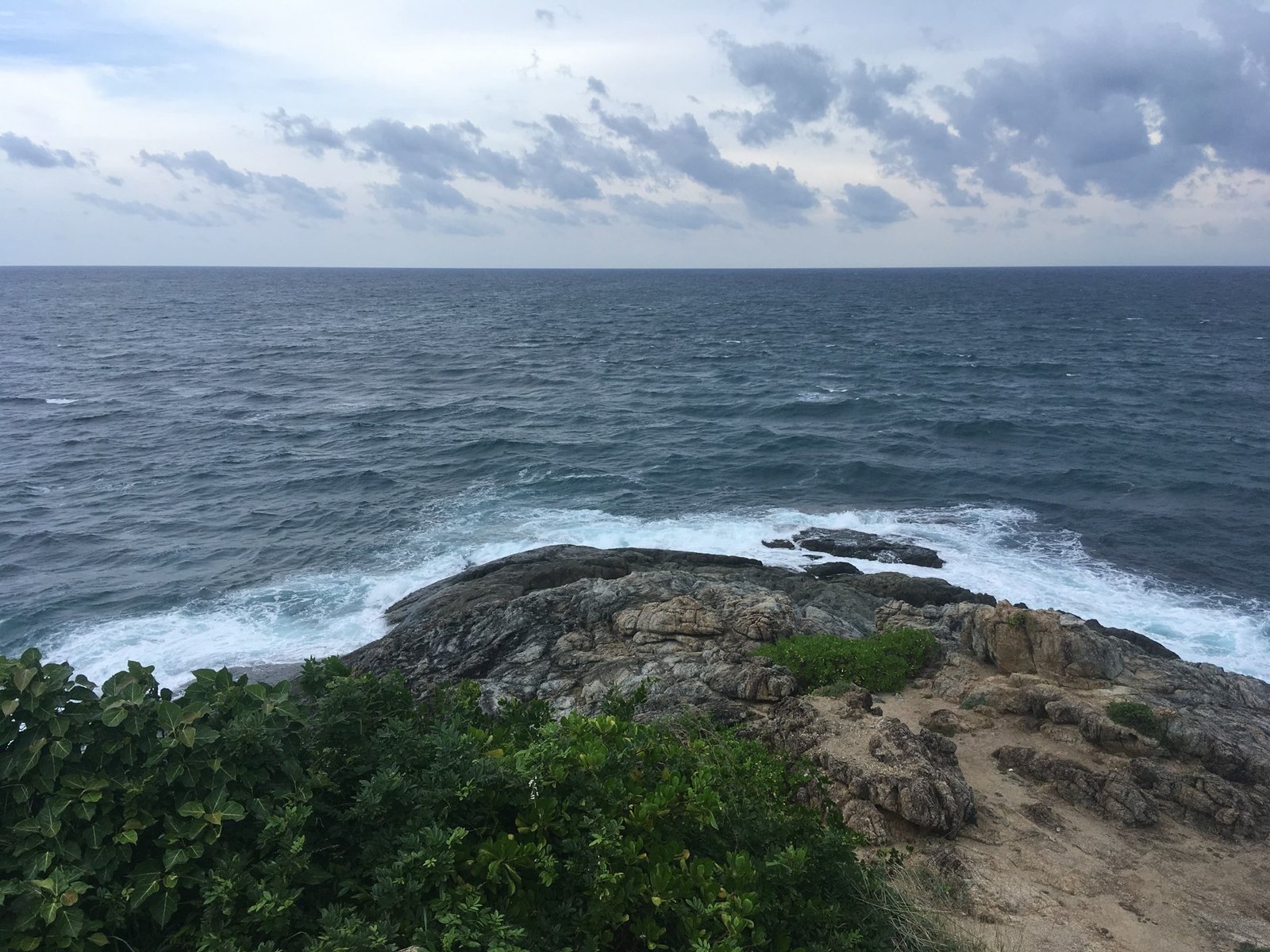
Promthep Cape, also written Phromthep and Laem Phromthep, is Phuket’s southern headland in Rawai. TAT records the local name Laem Chao and describes palms descending towards a rocky tip, with Ko Kaeo Phitsadan offshore. That outline is the signature view: grass and palms in the foreground, the tapering cape below and the Andaman Sea beyond. The lighthouse nearby gives you another landmark to explore before the evening light changes.
Plan a visit that you would still enjoy with an overcast sky. You may see changing cloud, a silver sea or a quieter set of colours rather than a vivid sunset. A photograph taken on one exceptional evening cannot promise the same result for your dates. Checking the forecast and the sunset time on the day is useful, but neither turns the visit into a guarantee.
Approach through Rawai or the Nai Harn coast
Promthep belongs to the road network around Phuket’s southern tip. TAT’s approach from Chalong follows Wiset Road, Route 4024, towards Rawai and then Route 4233. Coming from the Nai Harn side creates a different sequence of coastal stops: Phuket’s provincial website places Ya Nui, a small cove, between the Windmill viewpoint and Promthep. Pick the approach that fits where you are staying instead of crossing the island twice to assemble a busy sightseeing circuit.
For a simple afternoon, choose either a Rawai stop or time around Nai Harn and Ya Nui, then continue to the cape. The cove and headland are separate places: seeing a beach below does not mean the viewpoint route is its access path. Arrange your return transport before settling in for the sunset, and agree a recognisable meeting place if a driver is waiting. Arrive early enough to look around rather than treating the sunset time as your arrival appointment.
The upper view and the descending path
Phuket’s provincial description identifies flights of steps leading up to the main view. From there, the island of Ko Kaeo Phitsadan is part of the seaward panorama, and the road on the Nai Harn side helps orient you along the coast. TAT also describes a paved path descending for another angle towards Ko Kaeo Phitsdan and Ya Nui. Those are two ways to experience the landscape: the higher overview and a closer perspective on the headland’s shape.
Start with the upper view before deciding whether to descend. The palms and grassy slope make an interesting foreground without requiring a walk to the rocky end. Look back as well as out to sea: the changing elevation alters the way the coast fits together. Judge the actual path and available daylight, wear footwear that grips and stop where the route is comfortable for your group. A visit does not require reaching the furthest possible point.
A lighthouse with a maritime story
The Kanchanaphisek Lighthouse commemorates the Golden Jubilee of King Rama IX’s accession. Its role is more than decorative: TAT describes a beam visible as far as 39 kilometres at sea, while the indoor exhibition explains the construction and the calculation of sunrise and sunset times. It adds a maritime and timekeeping story to a place often approached only as a photo stop. Check current indoor access locally if you want to see the displays.
The Ministry of Tourism and Sports also identifies a monument to Prince Chumphon near the lighthouse. Together, the monument and lighthouse give the upper area a naval connection as well as a coastal view. Leave a little time for these features before choosing your evening position. Food, coffee and souvenir businesses are noted by TAT around the cape, so the visit can include a pause here without needing to rush straight down the headland or immediately back into a vehicle.
Set a meeting point before the light changes
If members of your group want different things from Promthep, agree a recognisable meeting point and a time to regroup before separating. Someone may prefer the upper view while another wants to look more closely at the lighthouse area. Keep a phone charged, but do not make finding each other depend entirely on describing a silhouette in fading light. A waiting driver should have the same meeting location, and anyone considering the descending path should allow time to return comfortably. This is itinerary advice rather than a statement about a fixed closing time or supervised route. It lets people enjoy different parts of the cape while keeping the departure simple, especially when children or older relatives are travelling with you.
Choose a south-coast base
For a stay built around the south coast, compare The Nai Harn with Navatara Phuket Resort and examine which part of the area you want to use every day. A Nai Harn beach routine and a Rawai-based routine are different choices, even though both can include a cape visit. Trace the actual approach from your hotel rather than assuming a south-Phuket address makes the viewpoint walkable. The hotel is your daily base; Promthep can remain one well-paced outing.
On the day, let the coast determine the pace. The cape can still be rewarding when cloud softens the light and the sea turns silver; a visible sun at the horizon is never guaranteed. Make room for a meal and the return journey, and resist adding another stop simply because it appears nearby on a map. Promthep works as a place to pause, recognise the offshore island and headland, and watch the colours change, with a clear sunset as a possible highlight.
A few useful answers
Is sunset guaranteed at Promthep Cape?
No. Clouds, rain and visibility affect the view. Plan a visit you would enjoy even without a clear sunset.
Must I walk to the very tip?
No. Choose a viewing position and route appropriate to your ability, the weather and available daylight.
What else is at Promthep Cape?
TAT identifies the Kanchanaphisek Lighthouse and an exhibition linked to its construction and timekeeping. Check current indoor access locally.